
In Situ L&D Simulation: From Simulation to Real Emergency
A story of training impact
Tuesday Afternoon, Labor & Delivery Unit, UCLA Medical Center
The simulation team wheeled their equipment into the Labor & Delivery unit; the real clinical environment where emergencies unfold. This was an in-situ simulation: training conducted in the authentic setting where teams work, with the actual supplies, equipment, and spatial constraints they face during real emergencies.
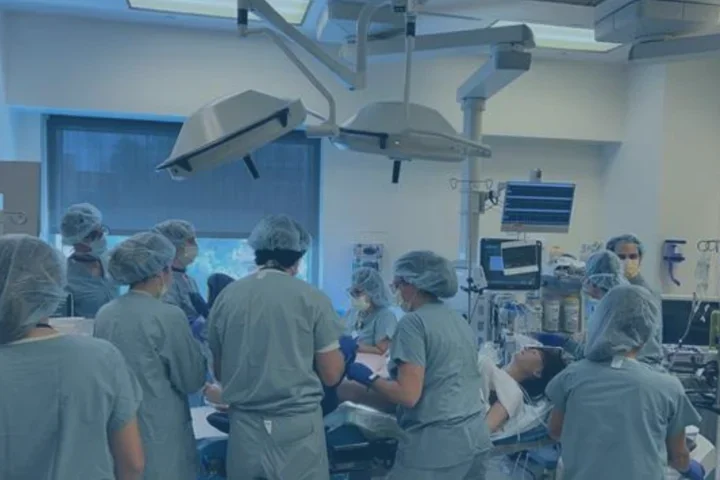
The scenario: obstetric hemorrhage. A simulated patient experiencing severe postpartum bleeding. An emergency where minutes matter and seconds count. Blood loss can escalate from manageable to life-threatening in moments. Without rapid recognition, immediate access to resources, and seamless team coordination, outcomes can be devastating.
The multidisciplinary team of obstetricians, nurses, anesthesiologists, and residents moved through the emergency protocol. Where is the massive transfusion cooler? How do we navigate this bed through the hallway? Who calls for blood products? When do we escalate to the OR? These aren't questions you want to answer for the first time during a real crisis. That is why we have regular simulation training to practice managing different case scenarios.
Wednesday Morning, Same Labor & Delivery Unit
A patient began hemorrhaging in the same L&D unit the very next day. A real patient. A real emergency. Severe, sudden, dangerous.
One of the residents from Tuesday's simulation was on the team. This time, there was no time to prepare. No pause button. No do-overs. But the resident moved with certainty.
The resident knew exactly what to do, what resources were available, when to escalate, and how to coordinate with the team.
The training from the day before—the muscle memory, the mental rehearsal, the confidence built through deliberate practice—translated directly into clinical action.
The team mobilized efficiently. Resources were accessed without hesitation. Care was escalated appropriately. The patient was stabilized. The resident attributed the positive patient outcome to simulation training.
From Practice to Life Saved in 24 Hours
This is the power of simulation. Beyond training in a controlled environment, skills learned and preparation practiced in the Sim Center are directly transferable to real cases in the real world; where teams work, where patients are cared for, where emergencies happen. When the crisis comes, there's no time to practice. There's only time to act. And because of one afternoon of deliberate, authentic training, a UCLA team was ready. A patient went home to their family. A provider gained confidence that will shape their entire career. And the cycle continues. The next simulation is already being planned, the next team is preparing, and the next life may depend on the training that happens today.